
Can I Earn Biodiversity Credits from My Farm in New Zealand?
What Are Biodiversity Credits?
How Would Biodiversity Credits Work on a Farm?
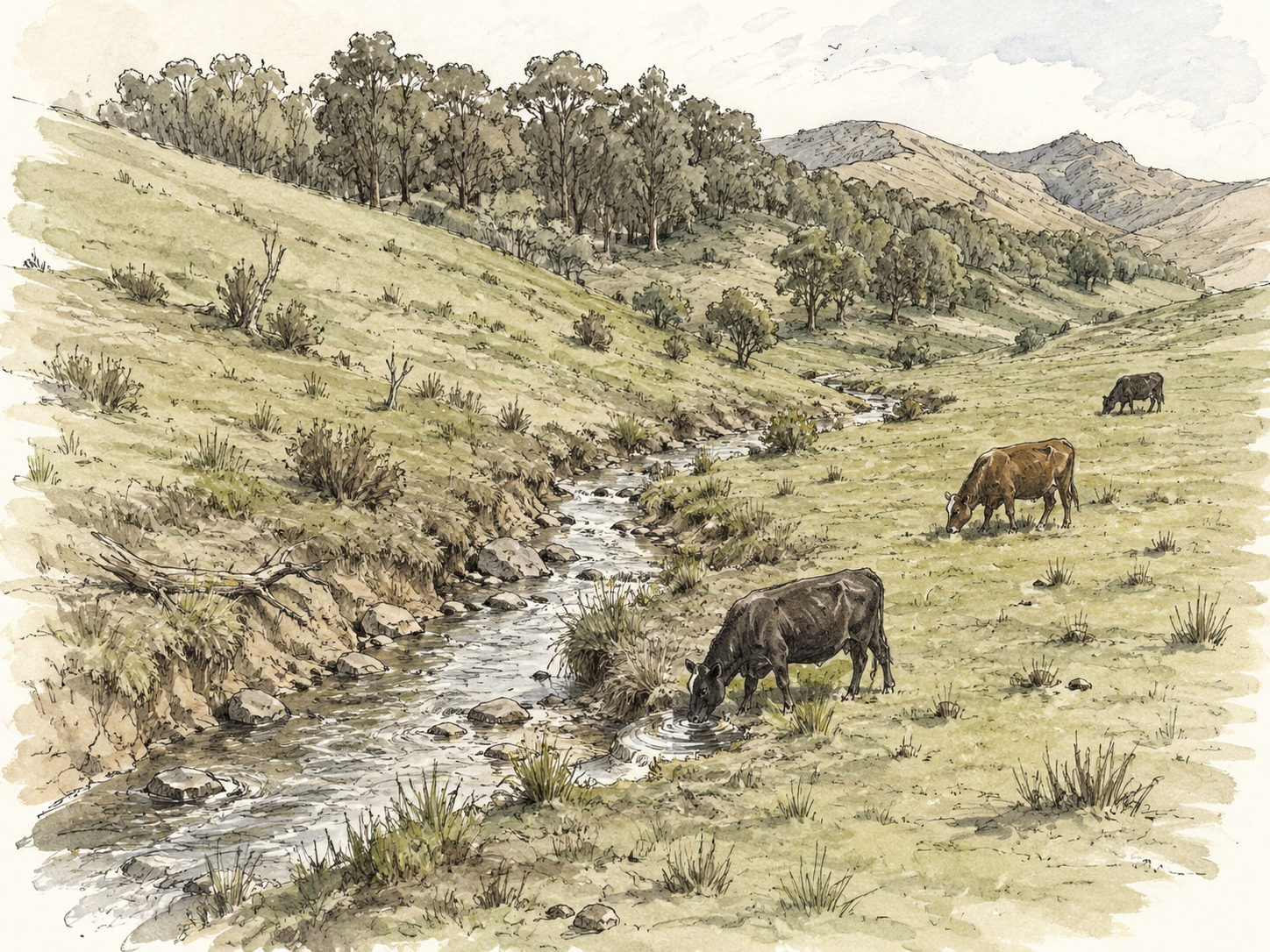
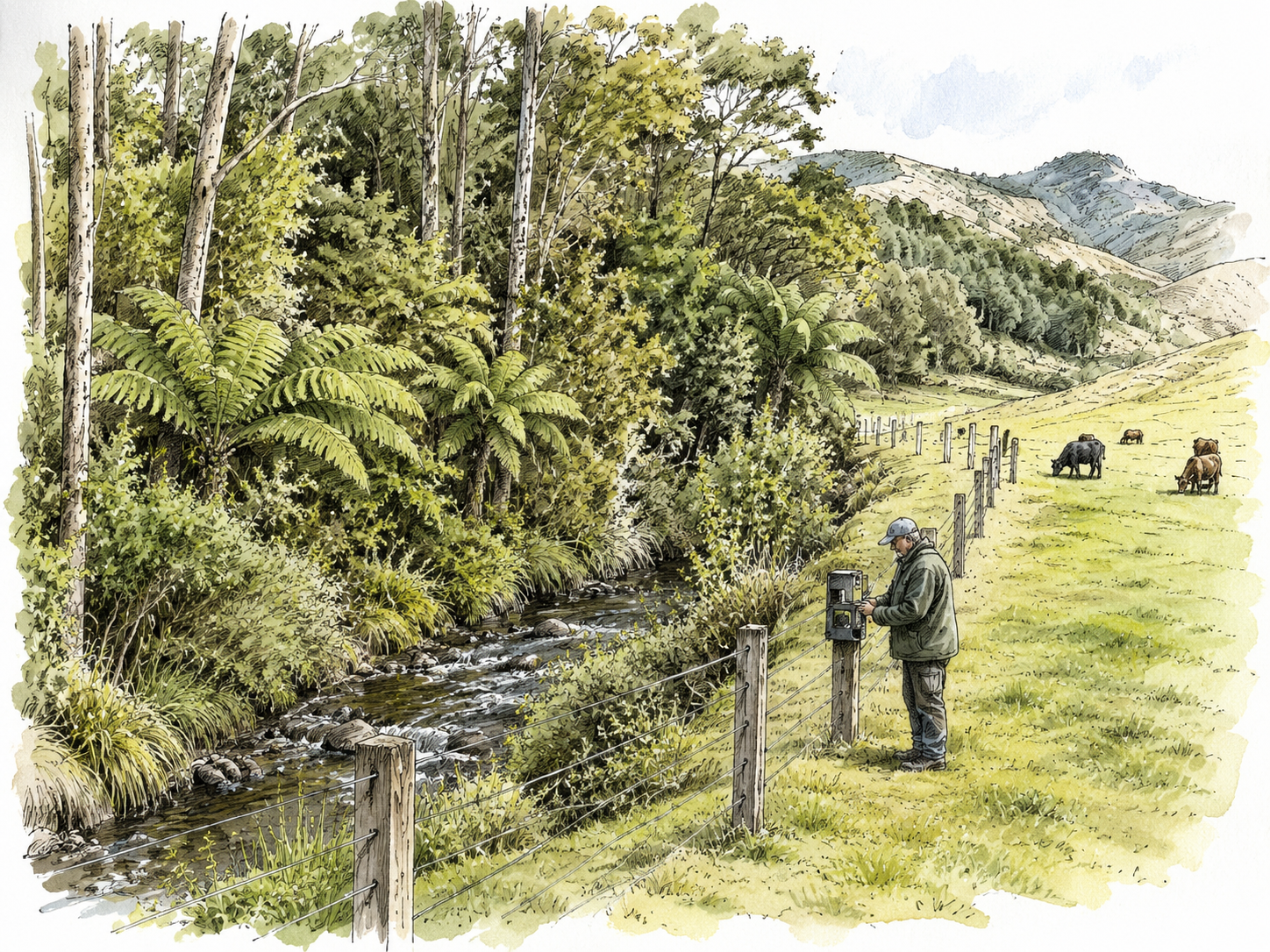
Farmers are increasingly hearing about biodiversity credits, nature credits and businesses wanting to invest in environmental work.
So, can you earn biodiversity credits from the native bush, wetlands, waterways or habitat already present on your farm?
The honest answer is: potentially—but New Zealand’s market is still developing.
A biodiversity credit is intended to represent a verified improvement in nature.
That improvement might come from restoring a wetland, controlling pests, protecting native habitat, planting native species or helping threatened wildlife recover.
A business or investor can then purchase the credit to support that work, with some of the funding returning to the landowner or project carrying it out.
Unlike NZUs in the Emissions Trading Scheme, biodiversity credits do not yet operate as one standard New Zealand unit. Different schemes may measure different outcomes and have their own rules around monitoring, verification and how credits are sold.
A farm project would generally need to establish what biodiversity is present at the beginning, identify actions that will improve it, and measure the results over time.
That could involve:
pest and weed control
fencing or restoring wetlands and waterways
supporting native regeneration
protecting important habitats
planting native species
monitoring birds, plants or other wildlife
The improvement would need to be real, measurable and additional to what would have happened anyway.
Some New Zealand projects and privately run schemes are already testing or issuing nature credits. However, there is not yet one simple national system where every farmer can register an area and automatically begin earning credits.
For many landholders, the costs of ecological assessments, monitoring and independent verification can also make smaller projects difficult to get off the ground.
That is one reason biodiversity credits are not yet as accessible as carbon credits through the NZ ETS.
The Government has recently taken a clearer step towards supporting voluntary nature and carbon markets.
Ten pilot projects were run between June 2025 and March 2026, including projects focused on farms, wetlands, native restoration and making nature markets more accessible to landholders.
The Government is now developing a process to recognise or endorse credible schemes that meet principles including being measurable, durable, transparent and not double-counted.
This should make it easier for farmers and buyers to tell which schemes are robust—but the domestic endorsement process is still being finalised.
Before a reliable market can grow, buyers need confidence that the biodiversity improvement is genuine and will last.
That means agreeing on how outcomes are measured, who verifies them, how long landowners commit for, and how to avoid claiming the same environmental benefit more than once.
There also needs to be enough buyer demand to cover the cost of setting up and monitoring projects.
Carbonfields is keeping a close eye on the developing biodiversity market and the schemes being tested around New Zealand.
We can help landholders identify and map areas with potential, understand how biodiversity opportunities may overlap with carbon income, and build a clearer picture of what is already growing or being protected on the farm.
While biodiversity income cannot yet be guaranteed, doing that groundwork now may put landholders in a stronger position as credible schemes and buyers become more widely available.
For farmers already protecting native bush, waterways, wetlands or regenerating country, the value of that work may eventually extend beyond carbon alone.