Plea for government to help farmers earn global carbon benefits
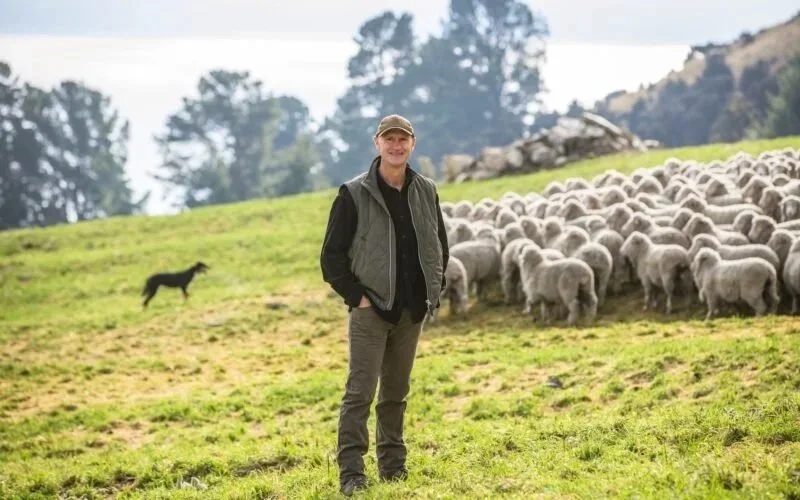
Geoff Ross, chief carbon officer at Carbonfields, says over the past 12 months the gap between European and New Zealand carbon prices has widened, with more work needing to be done to help farmers access the voluntary carbon market. Photo: Supplied
More work needs to be done by the government to give farmers access to high global carbon market prices and enable them to sell carbon to other countries.
So says Geoff Ross, chief carbon officer at Carbonfields. He told Farmers Weekly that, over the last 12 months, the gap between European and New Zealand carbon prices has widened, especially since the government announced a possible review of targets in the Paris Agreement.
Carbonfields is a joint venture between Carrfields, Ross of Lake Hāwea Station and venture investor Kerry McIntosh.
The company generates revenue for farmers from the existing bush, forest and emerging scrub on their farms through carbon removal.
Ross said the New Zealand carbon price sits around NZ$35/t CO2e with European carbon prices sitting at around NZ$160/t CO2e.
New Zealand farmers should be able to access higher carbon prices, just like with other exports on the global market that are exposed to pricing tension.
There are two markets: individual countries and companies.
Switzerland and Singapore, for example, buy carbon credits, and farmers need access to those markets. Big tech companies are the biggest buyers of carbon credits and typically buy on the voluntary market, which often allows pre-1989 bush in the mix.
Ross said if the government signs Article 6.4 of the Paris agreement it would add credibility to the local carbon market and enable more access to international carbon markets.
Article 6.4 establishes a centralised, United Nations-supervised carbon-crediting mechanism that allows countries to co-operate and trade verified emission reductions.
A spokesperson for the Ministry for the Environment said Article 6.4 is a voluntary agreement and New Zealand doesn’t need to adopt any provisions to enable farmers to engage in international carbon markets.
Locals can sell to the voluntary carbon market without restrictions, but there are specific UN rules that need to be followed if they want to sell to countries.
“Article 6.4 is one option for selling to other countries, but it is not the only way. New Zealand would need to make a national policy decision to engage in ‘Article 6’ in order to sell to other countries.
“New Zealand sits on the body that oversees the UN market, but there’s been no decisions by the government on using it yet.”
The spokesperson said the government is already working on ways to help build the markets’ credibility.
The government is also working on clarifying the rules that underpin the markets so they’re aligned with international best practice.
But, said Ross, if there’s work to be done by the government, and agreements to be signed, “we should sign it and get on with it”.
Farms that have Integrity Council for the Voluntary Carbon Market (ICVCM) certification could access better voluntary markets, with AsureQuality already working on such a certification, he said.
The ICVCM is an independent international body enabling the voluntary carbon market.
AsureQuality told Farmers Weekly that it is developing a New Zealand-specific, voluntary carbon credit standard, intended for accreditation by the ICVCM.
This is at a draft stage and would move to accreditation and implementation subject to market demand and appropriate investment partnerships.
The programme is designed to deliver biodiversity benefits and attract private investment into native forest regeneration, creating potential revenue opportunities for landowners, including farmers.