
The Price of NZ Carbon Credits: How It Is Set and the Current Outlook
The price of NZ carbon credits (NZUs) is influenced by a combination of government policy, market supply and demand, auction settings, forestry activity, and broader economic conditions. Unlike traditional commodities, carbon credits derive much of their value from the New Zealand Emissions Trading Scheme (NZ ETS), where regulated emitters such as airlines and fuel retailers must surrender units to offset their emissions.
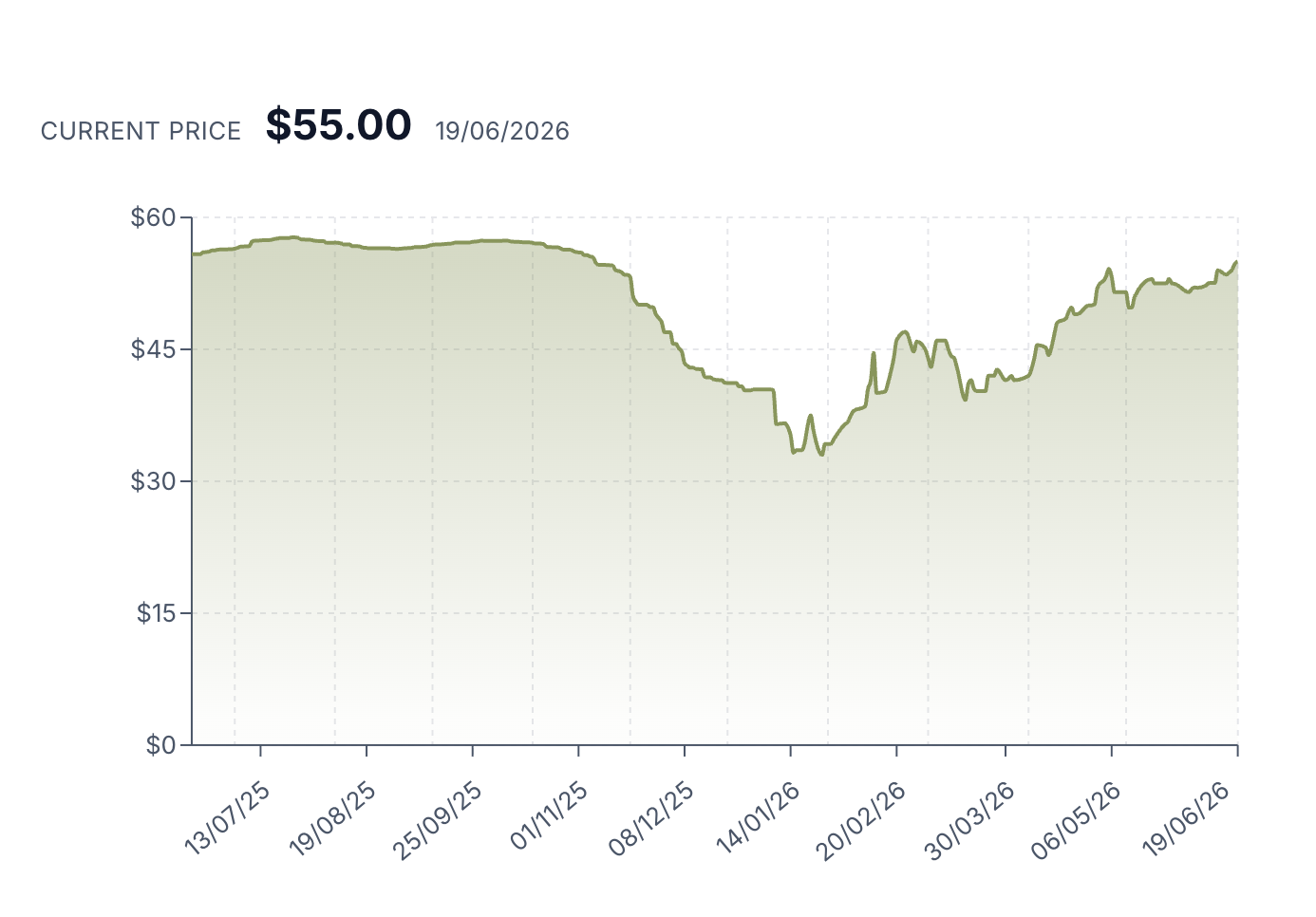
Image 1: Marex Carbon Price trend as of June 19th 2026
Recent NZU Price History: Volatility and Recovery
Over the past 18 months, the NZ carbon market has experienced significant volatility. NZU prices fell sharply during 2025 amid concerns about policy uncertainty and perceived oversupply. However, 2026 has seen a strong recovery, with NZUs rebounding from lows near NZ$32 to trade around the low to mid-NZ$50 range as supply has tightened and market confidence has improved. Lower-than-expected forestry selling, stronger policy signals, and the prospect of ongoing auction failures have all contributed to renewed market strength.
How Is the Price of NZ Carbon Credits Determined?
In practice, the NZ carbon market balances available NZUs against future compliance demand. Government auction reserve prices create a minimum threshold for new supply, while secondary market trading establishes day-to-day pricing.
Most NZUs are traded through the secondary market, where forestry participants and emitters transact directly. As a result, auction failures do not prevent forest owners from selling NZUs, although they can influence market sentiment and pricing expectations. Long-term expectations are increasingly shaped by forecasts of structural unit shortages later this decade.
NZ Carbon Credit Price Forecast: What Does the Outlook Look Like?
Several independent market analyses suggest the price of NZ carbon credits could trend higher over time if supply remains constrained and emissions reduction targets tighten. Carbon News’ latest forward curve projects indicative average NZU prices rising from approximately NZ$51 in 2026 to around NZ$110 by 2035, although these figures represent scenario-based modelling rather than predictions.
Weather patterns may also play a role. Commentary from Marex notes that a potential El Niño event could increase thermal electricity generation during periods of lower hydro storage, potentially supporting additional carbon demand.
What Drives Long-Term NZU Pricing?
While no forecast is certain, current market commentary points to a common theme: long-term NZU pricing will likely be driven by the balance between future emissions obligations and the availability of carbon units within the NZ ETS. For landowners with eligible vegetation, this outlook reinforces the case for understanding what carbon income opportunities may exist on their properties today.
Frequently Asked Questions
What is the current price of NZ carbon credits?
As of mid-2026, NZUs (New Zealand Units) are trading in the low to mid-NZ$50 range. Prices have recovered from lows near NZ$32 during 2025, supported by tighter supply, stronger policy signals, and reduced forestry selling into the market. Carbon prices change over time, so it is worth checking current market rates or speaking with a carbon market specialist for the latest pricing.
What will NZ carbon credits be worth in the future?
No forecast is guaranteed, but independent modelling from sources such as Carbon News suggests NZU prices could rise significantly over the coming decade if supply remains constrained. One forward curve projects indicative average prices rising from around NZ$51 in 2026 to approximately NZ$110 by 2035. These are scenario-based projections, not predictions, and actual prices will depend on government policy, emissions reduction targets, and market conditions.
How does the NZ Emissions Trading Scheme (ETS) work for forest owners?
The NZ ETS allows landowners with eligible forest or regenerating native vegetation to earn NZUs as their trees and plants absorb carbon from the atmosphere. These units can be sold on the secondary market to regulated emitters who need to offset their emissions. Forest owners register their land, have carbon stocks measured or modelled, and receive credits over time as the vegetation grows. If the forest is later cleared, credits must be repaid, so the scheme works best for areas intended to remain in long-term vegetatio